The Tragic Loss of Dr. Lisa-Maria Kellermayr: A Case of Online Hatred
The harrowing case of Dr. Lisa-Maria Kellermayr, an Austrian physician who tragically took her own life in July 2022, casts a stark light on the destructive power of online animosity and the profound societal divisions exacerbated by the COVID-19 pandemic. A fervent advocate for vaccination and public health, Dr. Kellermayr became the target of relentless harassment, ultimately leading to a legal battle in its aftermath to hold those responsible accountable. The question of who drove Dr. Kellermayr to suicide is not just about identifying individual perpetrators, but about understanding the systemic failures and the toxic environment that allowed such a tragedy to unfold.
An Advocate Under Siege: Dr. Kellermayr's Fight and the Threats She Faced
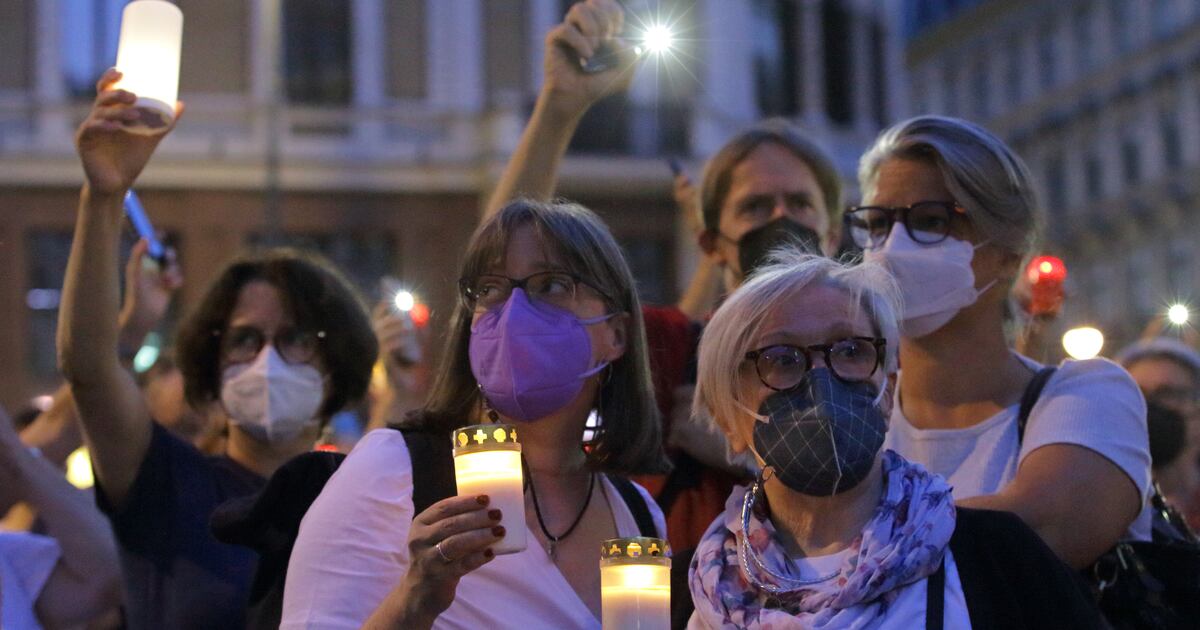
Dr. Lisa-Maria Kellermayr, a 36-year-old general practitioner from Seewalchen on Lake Attersee, Austria, dedicated herself to her patients and public health, particularly during the challenging times of the Corona pandemic. Her advocacy for COVID-19 vaccinations, rooted in medical science and a commitment to community well-being, unfortunately, made her a focal point for those who opposed such measures. For months, Dr. Kellermayr endured a barrage of intimidation and threats, primarily through emails and social media, from anti-vaccine groups and Corona deniers. The intensity of this online onslaught was so severe that it compromised her safety, forcing her to make the agonizing decision to close her medical practice in the summer of 2022. This closure, intended to mitigate the immediate danger, was a heartbreaking precursor to her eventual suicide, her body discovered in her clinic on July 29, 2022. Her passing sparked widespread grief and memorial events, including a significant gathering organized by the #YesWeCare initiative at Stephansplatz in Vienna, underscoring the deep impact she had on many.
The Legal Aftermath: Unpacking the Threats and the Trial of Roman M.
In the wake of Dr. Kellermayr's death, investigations were launched in both Austria and Germany to identify those behind the threatening messages. These efforts led to the identification of a 61-year-old German man, identified in reports as Roman M., who subsequently faced trial in Austria. The trial against M. commenced at the Wels Regional Court, where he faced allegations of making severe threats against Dr. Kellermayr through email communications and messages on Twitter (now X).
The Nature of the Allegations and the Expert Assessment
According to the accusations, Roman M. allegedly sent several emails and Twitter messages between February and July 2022, suggesting that Dr. Kellermayr would face a makeshift 'people's tribunal.' While M.'s defense attorneys, Sonja Fasthuber and Martin Feigl, stated that their client acknowledged a dispute with Dr. Kellermayr, he did not admit to any wrongdoing. A forensic psychiatric assessment presented during the trial indicated that the threats made by M., particularly those related to the COVID-19 pandemic and vaccination campaigns, may have contributed to Dr. Kellermayr's tragic suicide. This expert opinion highlights the potential for online harassment to have severe psychological consequences, even in cases where direct physical harm is not immediately threatened.
It is crucial to note a distinction in the legal proceedings across borders. While the Austrian trial moved forward, the Munich General Prosecutor’s Office in Germany ultimately discontinued proceedings against M. This decision was reportedly justified by the German investigative authorities on the grounds that M. had "only threatened with a procedure 'before future, then lawful courts.'" This interpretation, that the threat was not of immediate physical violence but of a future legal (albeit illegitimate) process, led to a different outcome in Germany compared to the severe charges M. faced in Austria. This divergence underscores the complexities of prosecuting online threats across jurisdictions and the varied interpretations of what constitutes a dangerous threat. For more details on the legal proceedings, you can refer to articles like Kellermayr Suicide Trial: Unpacking Threats and Vaccine Advocacy.
Beyond One Defendant: The Broader Landscape of Online Harassment
While the trial of Roman M. addressed a specific aspect of the harassment Dr. Kellermayr endured, the reference context clearly indicates that M. was not the sole perpetrator. Authorities continued to investigate additional intimidation attempts made by an unidentified individual, reinforcing the chilling reality that Dr. Kellermayr was targeted by multiple actors within a broader ecosystem of online hate. This aspect of the case is particularly troubling, as it points to a collective atmosphere of hostility that can overwhelm individuals, even those dedicated to public service.
The case of Dr. Kellermayr stands as a stark reminder of how the highly polarized discussions surrounding public health during the Corona period fractured society. The internet, while a powerful tool for communication, also provided an anonymous platform for the dissemination of misinformation, fear, and direct threats. When online discourse devolves into personal attacks and intimidation, the cost, as tragically demonstrated by Dr. Kellermayr's suicide, can be devastating. This environment not only silenced a dedicated physician but also sent a chilling message to other healthcare professionals and public figures who dared to speak out or advocate for evidence-based policies. Understanding the cost of such widespread online harassment is critical for fostering safer digital spaces; explore further insights in Dr. Kellermayr Case: Corona Divides & The Cost of Online Harassment.
Combating Digital Hate: Insights and Actionable Advice
The tragedy of Dr. Kellermayr underscores the urgent need for robust strategies to combat online harassment and protect individuals from digital hate. While legal frameworks are evolving, community efforts and individual responsibility play equally vital roles.
- Strengthen Legal and Law Enforcement Responses: Authorities must be equipped with the tools and expertise to investigate and prosecute online threats effectively, regardless of jurisdictional complexities. Clear definitions of what constitutes a "threat" in the digital realm are crucial, as highlighted by the differing outcomes in the German and Austrian proceedings related to Roman M.
- Platform Accountability: Social media companies and online platforms have a significant responsibility to moderate content, enforce terms of service, and respond swiftly to reports of harassment. Implementing stronger verification processes and holding users accountable for their actions can deter malicious behavior.
- Support for Victims: Individuals targeted by online hate often experience severe psychological distress. Providing accessible mental health support, legal advice, and digital security resources is paramount. Support networks can help victims navigate the emotional toll and practical challenges of online abuse.
- Promote Digital Literacy and Critical Thinking: Educating the public about misinformation, the impact of online speech, and the importance of respectful discourse can help de-escalate toxic environments. Fostering critical thinking skills enables individuals to discern credible information from propaganda and to engage constructively online.
- Encourage Reporting: Many instances of online harassment go unreported. It's essential to create safe channels for reporting and to assure victims that their concerns will be taken seriously. Every report, no matter how small it seems, contributes to a safer online environment.
The ease with which individuals can become targets of coordinated online attacks demands a collective response. As societies grapple with increasing digital connectivity, understanding the real-world implications of online actions is more critical than ever.
Conclusion: A Call for Empathy and Accountability
The suicide of Dr. Lisa-Maria Kellermayr is a profound tragedy that serves as a powerful testament to the devastating impact of online hate speech and the deep societal rifts exposed during the pandemic. While the trial against Roman M. in Austria sought to bring a measure of justice and accountability for the threats she endured, the case highlights a broader, more insidious problem of unchecked online vitriol. Dr. Kellermayr's dedication to public health was met with an unconscionable campaign of intimidation, leaving behind a legacy that calls for greater empathy, stronger protections for those serving the public, and a renewed commitment to fostering responsible and respectful digital communities. Her story is a poignant reminder that words, especially when amplified by the internet, carry immense power – a power that must be wielded with care and accountability to prevent further tragedies.