The tragic case of Dr. Lisa-Maria Kellermayr stands as a stark and painful reminder of the deep societal divides amplified by the COVID-19 pandemic and the devastating cost of online harassment. An Austrian general practitioner and a vocal advocate for vaccination, Dr. Kellermayr found herself at the epicenter of a storm of animosity that ultimately led to her taking her own life in July 2022. Her story transcends a singular personal tragedy, serving as a powerful exemplar of how digital spaces can become battlegrounds, where differing viewpoints morph into campaigns of intimidation with dire real-world consequences. This article explores the circumstances surrounding the Dr. Kellermayr case, the legal complexities that followed, and the broader implications for online discourse and mental health in an increasingly polarized world.
The Advocate Under Siege: Dr. Kellermayr's Stand and the Backlash
Dr. Lisa-Maria Kellermayr was not just a medical professional; she was a committed public health advocate who tirelessly championed the importance of COVID-19 vaccinations. Operating from her practice in Seewalchen am Attersee, Austria, she used her platform to educate, inform, and encourage her community to protect themselves against the virus. However, her dedication made her a target for anti-vaccine groups and individuals who vehemently disagreed with her stance. What began as disagreement soon escalated into a relentless campaign of intimidation, moving from online forums to direct threats.
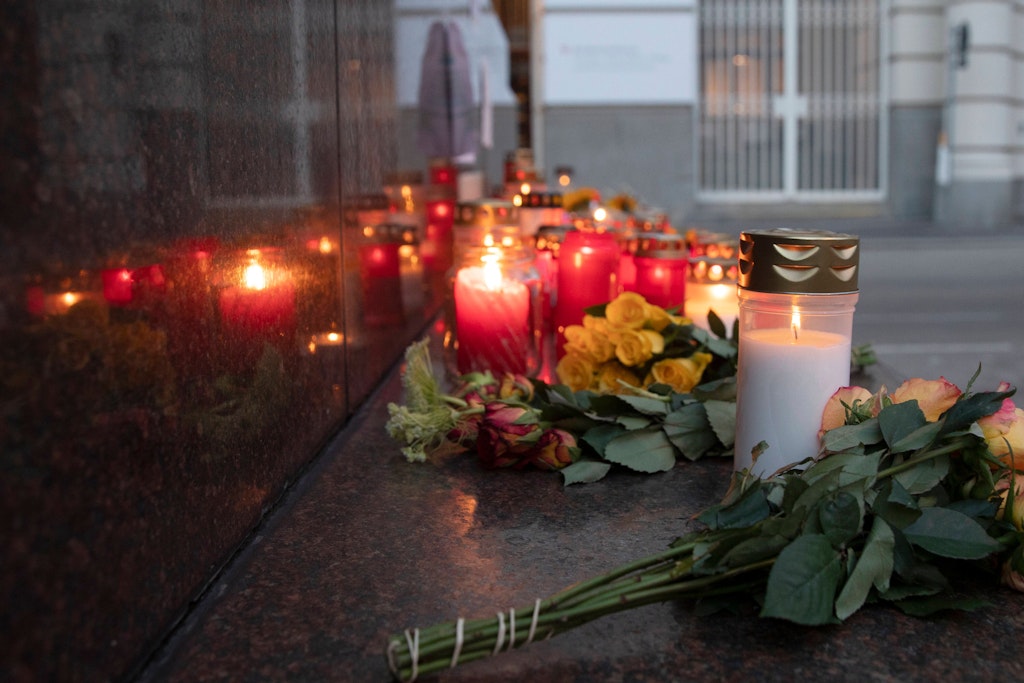
For months, Dr. Kellermayr endured a barrage of hateful messages, including threatening emails and social media posts, primarily on platforms like Twitter (now X). These communications were not merely critical; they contained severe threats, suggesting she would face dire consequences for her advocacy. The relentless nature of this online harassment took a significant toll on her well-being and professional life. The constant fear for her safety and that of her staff became so profound that, despite reporting the incidents to the police in November 2021, she felt compelled to close her medical practice in the summer of 2022. Just weeks later, at the age of 36, Dr. Kellermayr was found dead in her clinic, a tragic end attributed to suicide, with expert reports later linking the online attacks as partly responsible for her death. Her loss sparked memorial events across Austria, including a gathering organized by #YesWeCare at Stephansplatz in Vienna, underscoring the widespread shock and grief over her fate.
Unraveling the Legal Labyrinth: The Trials and Their Complexities
In the wake of Dr. Kellermayr's suicide, investigations were launched in both Austria and Germany to identify those responsible for the threats. These inquiries led to the identification of a 61-year-old German man, Roman M., who was subsequently put on trial at the Wels Regional Court in Austria. He faced serious allegations of dangerous threats, primarily communicated through four emails and three Twitter messages sent between February and July 2022. The core of the prosecution's case rested on the assertion that M.'s threats, which included suggestions that Dr. Kellermayr would face a makeshift 'people's tribunal,' contributed to her tragic decision.
The trial, which garnered significant public attention, highlighted the complexities of prosecuting online harassment, especially when threats are couched in ambiguous language. M.'s defense attorneys, Sonja Fasthuber and Martin Feigl, stated that while their client acknowledged a dispute with Kellermayr, he denied any wrongdoing. Crucially, the defense also publicized details of Dr. Kellermayr's medical history, aiming to present the case in a different light and suggesting other contributing factors to her suicide. This move sparked further debate about the ethics and relevance of such disclosures in legal proceedings concerning online abuse.
Ultimately, the legal proceedings against M. took a complex turn. In Austria, he was acquitted, and in Germany, the Munich General Prosecutor’s Office dropped the proceedings against him. The justification for these outcomes stemmed from the interpretation of the threats. German investigative authorities argued that M. had only threatened a procedure "before future, then lawful courts," rather than immediate, illegal harm. This legal interpretation highlights a critical challenge in addressing online threats: the distinction between explicit, actionable threats and more veiled, future-oriented statements, even when the psychological impact on the victim is profound. For a deeper dive into the specifics of the court proceedings, read more on Kellermayr Suicide Trial: Unpacking Threats and Vaccine Advocacy and Who Drove Dr. Kellermayr to Suicide? Unraveling the Hatemail Case.
Beyond the Verdict: The Broader Implications of Online Harassment
The Dr. Kellermayr case serves as a stark illustration of the devastating psychological toll of sustained online harassment. It underscores that threats, even if legally deemed indirect or future-oriented, can exert immense pressure, fear, and distress on individuals. The cumulative effect of such abuse can be akin to "death by a thousand cuts," eroding mental health and capacity to cope.
This case forces us to confront several uncomfortable truths about our digital landscape:
- The Chilling Effect: The targeting of Dr. Kellermayr and others like her can create a chilling effect, deterring experts and professionals from speaking out on important public health or societal issues for fear of becoming targets themselves.
- Cross-Border Challenges: Prosecuting online harassment across national borders remains incredibly complex, with differing legal definitions of threats and varying enforcement capabilities.
- Platform Responsibility: The role of social media platforms in moderating hate speech and threats is constantly under scrutiny. While progress has been made, the case highlights the ongoing need for more robust reporting mechanisms, swifter action, and greater transparency.
- Invisible Scars: Online harassment often leaves invisible scars. Unlike physical violence, its impact can be insidious, leading to severe anxiety, depression, and, in tragic cases like Dr. Kellermayr's, suicide.
Practical Steps to Combat Online Harassment:
- Document Everything: If you or someone you know is experiencing online harassment, meticulously document all incidents, including screenshots, dates, and sender information.
- Report to Platforms: Utilize the reporting tools on social media platforms and email providers. While not always perfect, sustained reporting can sometimes lead to action.
- Contact Authorities: Report serious threats to law enforcement. Be persistent and provide all documentation.
- Seek Support: Connect with mental health professionals or support groups. You don't have to face it alone. Organizations dedicated to combating online harassment can offer guidance.
- Foster Digital Literacy: Promote critical thinking and media literacy to help individuals discern misinformation and engage in respectful online discourse.
- Advocate for Stronger Laws: Support legislative efforts to improve legal frameworks for prosecuting online harassment and protecting victims.
A Society Divided: COVID-19's Lingering Scars
The COVID-19 pandemic, with its unprecedented challenges and rapid scientific developments, exposed and exacerbated existing fault lines within society. Discussions around public health measures, lockdowns, and especially vaccinations, became intensely polarized. The Dr. Kellermayr case is a stark reminder of the dangerous extremes this polarization can reach when civil debate devolves into personal attacks and threats. It illustrates how the erosion of trust in scientific consensus and public institutions can fuel animosity, creating a hostile environment for those who seek to provide guidance and care.
The legacy of this period includes a fractured public discourse, where facts are often secondary to ideology, and empathy can be sacrificed for vitriol. Understanding this context is vital to grasping the forces that contributed to Dr. Kellermayr's tragic end. It's a call for society to reflect on how we engage with differing opinions, the responsibility we bear for the words we share online, and the collective effort needed to rebuild respectful dialogue.
The Dr. Lisa-Maria Kellermayr case is a profound tragedy that resonates far beyond Austria's borders. It serves as an enduring symbol of the severe consequences of online harassment and the deep societal rifts exposed by the COVID-19 pandemic. While legal proceedings offered some resolution regarding individual accountability, they also highlighted the limitations of existing frameworks in addressing the pervasive and damaging nature of digital intimidation. Dr. Kellermayr's story is a poignant reminder that online words have real-world weight, and that fostering empathy, encouraging responsible digital citizenship, and strengthening protections against harassment are not just ideals, but urgent necessities for a humane and functional society. The cost of unchecked online animosity, as demonstrated by the Kellermayr case, is tragically high.